
I’ve been a licensed veterinarian practicing in Texas for a little over a decade, and Dog haircut are one of those topics that come up far more often than people expect. Owners usually bring it up casually—while I’m listening to a heart or checking ears—but the stories behind those haircuts often explain a lot about a dog’s skin health, behavior, and even movement. I’ve learned to pay attention when someone mentions a recent groom, because it usually tells me more than they realize.
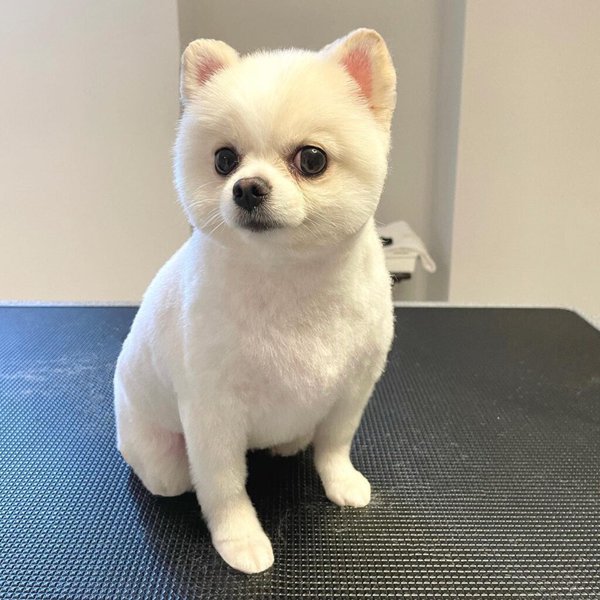
Early in my career, I treated a spaniel who came in with irritated skin and patchy redness along the sides. The owner was worried it was allergies, but when I asked about grooming, she mentioned a very close haircut done right before a heat wave. The clip itself wasn’t malicious or careless, but it ignored how that coat functioned. Once the protective layer was stripped down too far, the skin took the brunt of sun and friction. I’ve seen similar situations many times since, and they’ve made me cautious about recommending drastic haircuts without understanding the coat underneath.
One mistake I see repeatedly is assuming shorter always means cooler. In practice, that’s not how many coats work. Double-coated breeds, in particular, rely on their fur for insulation against both heat and cold. I’ve examined dogs that felt warmer to the touch after being shaved because their skin was suddenly exposed and inflamed. Owners are often surprised when I explain that regular brushing and strategic trimming can be more effective than taking everything down to the skin.
Behavior around haircuts is another area where experience matters. I’ve watched dogs tremble on the exam table because a recent grooming session left them anxious or sore. One patient, a normally calm mixed-breed, began snapping during routine handling after a rough haircut experience. With time, gentle handling, and slower grooming sessions, that behavior eased. Haircuts aren’t just cosmetic; they’re physical interactions that dogs remember, especially if they felt rushed or restrained.
I’m also opinionated about at-home haircuts versus professional grooming. I don’t discourage owners from doing basic maintenance themselves, but I’ve treated enough clipper burns and uneven cuts to know the limits. I recall a dog brought in with small abrasions along the belly where dull clippers dragged across thin skin. The owner meant well and saved some money, but the dog paid for it in discomfort. Sharp tools, proper angles, and knowing when to stop make a real difference.
From a medical standpoint, haircuts can reveal problems—or hide them. I’ve caught early skin infections, lumps, and parasites simply because a dog was freshly trimmed and easy to examine. On the other hand, poorly done cuts can mask issues by causing irritation that looks like something else. That’s why I encourage owners to view grooming as part of health care rather than an isolated chore.
What years of practice have taught me is that a good dog haircut respects the coat, the skin, and the dog’s tolerance for the process. It’s not about trends or dramatic transformations. The healthiest dogs I see are the ones whose haircuts are thoughtful, consistent, and matched to their breed and lifestyle. When grooming is approached with that mindset, dogs move more comfortably, itch less, and walk into the clinic looking—and feeling—like themselves.