
As a barber with more than a decade of experience, I’ve helped hundreds of clients grow and maintain their beards, from subtle stubble to full, thick beards. Over the years, I’ve realized that growing a great beard isn’t just about letting hair how to grow and groom a beard, and knowing how to groom for both comfort and style. Many clients come to me frustrated because their facial hair feels patchy, itchy, or unruly, and I’ve learned that small adjustments can make a huge difference.
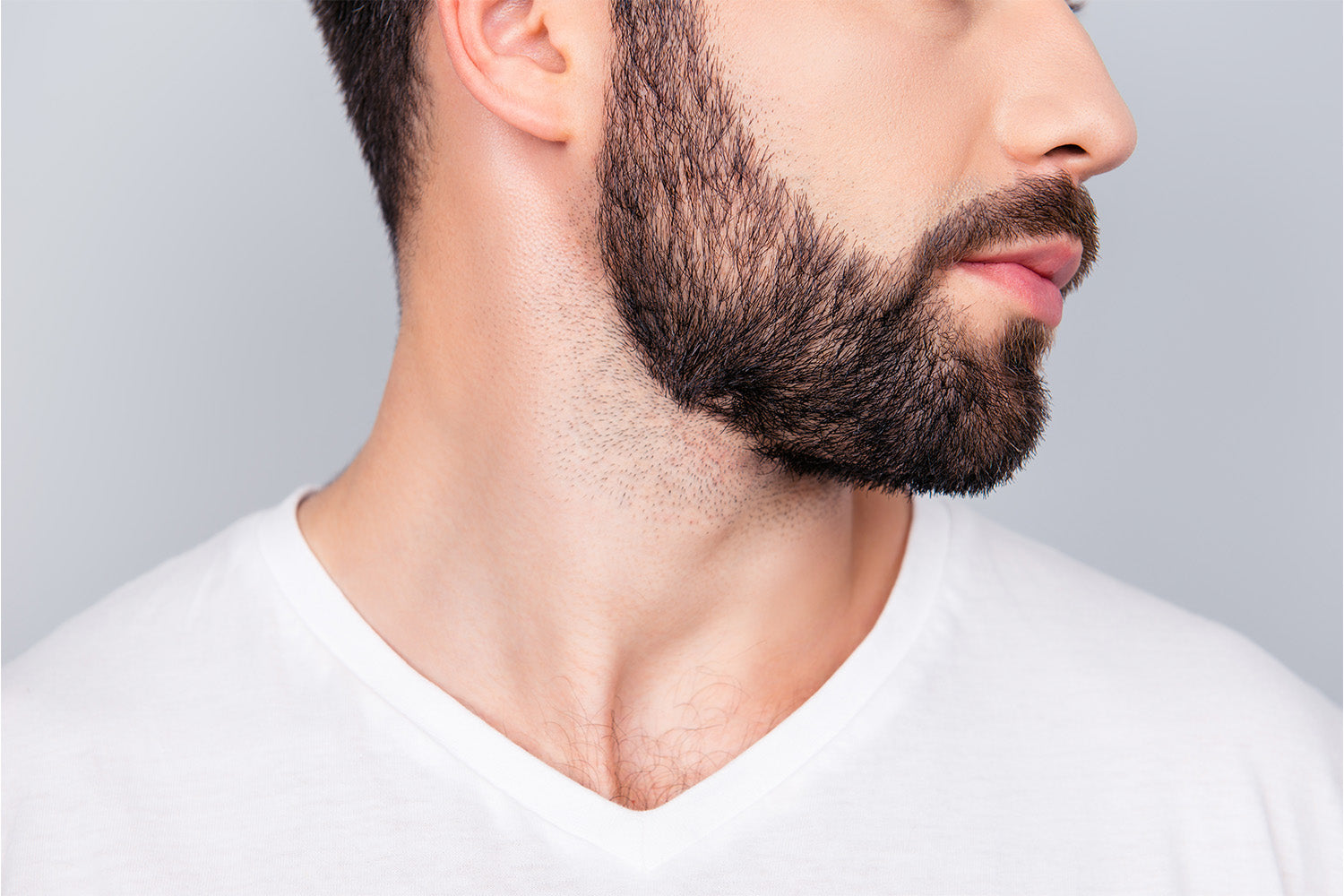
One of the first lessons I teach new beard-growers is patience. I remember a client who wanted a full beard within a few weeks for a wedding. His facial hair grew unevenly, with noticeable gaps along the cheeks. Instead of rushing him into trimming or shaping, I recommended letting the beard grow for at least six weeks while maintaining regular washing and moisturizing. By the end of that period, the beard filled in naturally, and a gentle shaping session revealed a strong, balanced look. That experience reinforced that beards develop at different rates and that premature trimming often causes more frustration than benefit.
Caring for the skin beneath the beard is equally crucial. Many people overlook this, resulting in dryness, irritation, or ingrown hairs. I’ve had clients come in complaining of itchiness during the early stages of growth. My approach is simple: keep the skin moisturized and exfoliate gently a couple of times a week. I recall advising a young professional whose beard itched constantly; after introducing a light beard oil and a soft-bristle brush, his discomfort disappeared, and the hair looked healthier and more even. Beard oils aren’t just cosmetic—they nourish follicles and promote stronger growth over time.
Shaping and trimming are areas where I often see mistakes. A client last spring came in with a full, uneven beard that had been trimmed at home using scissors alone. We spent the session carefully blending the lengths, defining the neckline, and trimming stray hairs while maintaining natural fullness. That session reminded me how important it is to use the right tools—trimmers with adjustable guards, quality scissors, and combs—and to understand face shape. For instance, I often guide clients with round faces to keep the sides shorter and allow length along the chin, creating balance and definition.
Another practical insight is consistency. Washing, conditioning, and applying a light oil daily, combined with occasional shaping, makes the difference between a beard that looks messy and one that appears intentionally groomed. I once coached a client who frequently skipped these steps. After adopting a simple routine, his beard not only looked better but also became easier to maintain. Consistency turns care into a habit, which is especially important for longer beards.
Finally, a beard reflects personal style as much as it does hair growth. Some clients prefer a rugged, natural appearance, while others want a sharply defined look suitable for professional settings. Understanding your desired aesthetic guides your grooming decisions, from the choice of products to the frequency of trims. I’ve learned over the years that helping clients clarify their goals often leads to the most satisfying results.
Growing and grooming a beard successfully combines patience, proper care, and a bit of guidance. From my experience as a barber, small, consistent steps—moisturizing, gentle brushing, and thoughtful shaping—produce results that feel both natural and intentional. Anyone can grow a beard, but nurturing it with attention and understanding makes it truly remarkable.