
Wigs have been a significant part of human culture for centuries, serving purposes that range from fashion statements to practical solutions for hair loss. Throughout history, wigs have symbolized status, identity, and creativity. In ancient Egypt, both men and women wore wigs not only for aesthetic reasons but also to protect their natural hair from the harsh sun. Today, wigs continue to play an essential role in personal style, providing versatility and confidence for people of all ages. The ability of wigs to transform appearances instantly makes them a valuable accessory in the world of fashion and beyond.
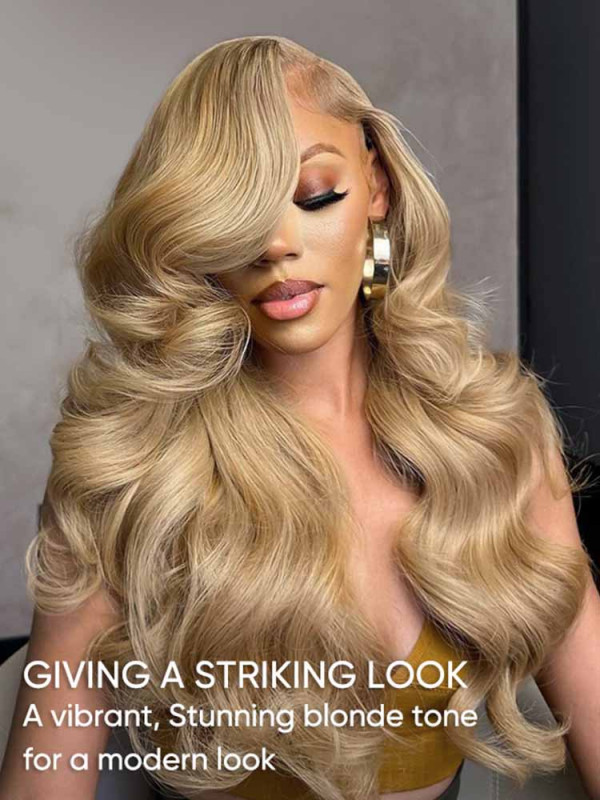
Modern wigs are crafted from a variety of materials, including human hair, synthetic fibers, and hybrid blends. Human hair wigs offer the most natural appearance and allow for versatile styling, including curling, straightening, and coloring. Synthetic wigs, on the other hand, are more affordable and maintain their shape with minimal effort. The choice of wigs often depends on individual lifestyle, budget, and desired look. With advancements in manufacturing techniques, wigs today are more comfortable, breathable, and lightweight than ever before, making them an appealing option for daily wear.
Wigs are not just about aesthetics; they also provide practical solutions for medical conditions. People experiencing hair loss due to chemotherapy, alopecia, or other health issues can regain a sense of normalcy and confidence through wigs. Wearing a wig can alleviate the emotional stress associated with hair loss and allow individuals to participate in social and professional settings without feeling self-conscious. Additionally, wigs can protect fragile or damaged hair, giving natural hair a chance to grow and recover while maintaining a stylish appearance.
In the fashion industry, wigs have become a versatile tool for self-expression and experimentation. Designers and stylists often use wigs to create bold looks for runway shows, photo shoots, and theatrical performances. Wigs allow individuals to change hairstyles frequently without committing to permanent changes, offering a creative outlet for personal style. Celebrities and influencers have also popularized wigs as a fashion accessory, showcasing how different colors, lengths, and textures can enhance one’s overall look. The trend of using wigs for style experimentation has made them more mainstream and accessible to the general public.
Choosing the right wig requires careful consideration of factors such as cap construction, length, texture, and color. Lace front wigs, for example, offer a realistic hairline and seamless blend with natural hair, while full cap wigs provide a secure fit and more volume. Wigs come in various lengths, from short pixie cuts to long flowing styles, catering to different face shapes and personal preferences. Selecting a wig that complements one’s features and lifestyle ensures comfort, confidence, and a natural appearance. Proper maintenance, including washing, conditioning, and storing wigs correctly, also extends their lifespan and keeps them looking fresh.
The cultural significance of wigs cannot be overlooked. In many societies, wigs have represented social hierarchy, religious devotion, or professional identity. For instance, judges in certain countries wear wigs as a symbol of authority and impartiality, while traditional ceremonies in other cultures involve elaborate wigs to signify status or spiritual meaning. Wigs have thus served as more than just a fashion accessory—they carry symbolic meaning that reflects history, tradition, and social values. Understanding this cultural context enhances appreciation for the artistry and craftsmanship involved in wig making.
Wigs have also found a unique place in the entertainment industry. Actors, musicians, and performers often rely on wigs to portray characters, achieve dramatic transformations, or maintain consistent looks during performances. Wigs allow artists to experiment with different styles without altering their natural hair, providing both creative freedom and practical convenience. The versatility of wigs in entertainment highlights their role as a tool for storytelling, allowing performers to embody diverse identities and enhance visual storytelling through appearance.
For everyday users, wigs provide convenience and confidence that goes beyond aesthetics. They offer a quick solution for busy mornings, allowing individuals to achieve polished hairstyles without extensive effort. Wigs can also serve as protective styling, reducing the need for heat styling or chemical treatments on natural hair. With a wide range of styles, textures, and colors available, wigs cater to a variety of tastes and preferences. Their accessibility has made them an essential item for people seeking both fashion flexibility and practical hair solutions in their daily lives.
In conclusion, wigs are far more than simple hairpieces; they are tools for self-expression, confidence, and cultural connection. From ancient civilizations to modern fashion runways, wigs have played a significant role in shaping appearances and identities. Their ability to transform looks, provide comfort for medical conditions, and offer creative styling options underscores their enduring appeal. Whether worn for fashion, function, or performance, wigs continue to be a versatile and empowering accessory that allows individuals to explore new styles and express themselves freely. The timeless allure of wigs ensures they remain a valuable part of personal grooming and cultural expression for generations to come.