
After more than a decade working in residential cleaning and fabric care across Bedfordshire, I’ve learned that furniture quietly collects far more than people realize. Dust, skin oils, pet dander, and food residue settle deep into fibers. Many homeowners vacuum regularly but rarely consider professional treatment until stains become obvious. That’s usually when someone calls me about upholstery cleaning in Woburn.
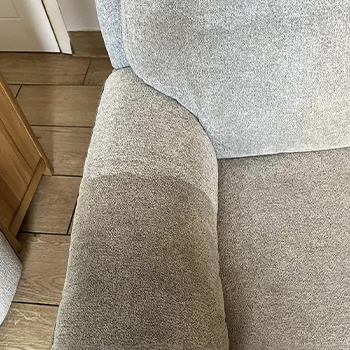
I remember visiting a customer last spring who had a beautiful cream fabric sofa in their sitting room. From across the room it looked fairly clean, but once I began pre-treatment and extraction, the rinse water told a different story. Years of dust and body oils had built up in the fabric. After the cleaning process, the sofa brightened noticeably and felt softer to the touch. The homeowner told me it looked almost new again, which is something I’ve heard many times over the years.
What Most People Don’t Realize About Upholstery
One of the biggest misunderstandings I encounter is the belief that upholstery only needs cleaning when there’s a visible stain. In my experience, stains are only part of the issue. Fabric absorbs everyday living.
In Woburn homes especially, where families often spend evenings on the same sofa watching television or where pets like to claim a favorite chair, fabrics accumulate oils and dust quickly. Even well-maintained homes can have upholstery that holds years of embedded debris.
Early in my career, I once cleaned a dining chair set that had never been professionally treated. The chairs looked slightly dull but otherwise fine. After cleaning, the difference between the treated chair and the untouched ones was striking. The fabric color deepened and the texture lifted again. The homeowner admitted they hadn’t realized how much the chairs had faded under everyday grime.
Common Cleaning Mistakes I See
People often try to tackle upholstery problems with supermarket sprays or rented machines. Sometimes that works for small spills, but I’ve also seen the opposite result.
A homeowner called me a few months ago after attempting to clean a sofa cushion with a strong household cleaner. The product left a visible ring and stiffened the fabric fibers. This happens because many sprays aren’t designed for delicate upholstery materials.
From years in this field, a few patterns stand out:
-
Too much water can push dirt deeper into the padding.
-
Harsh detergents may weaken fabric fibers.
-
Scrubbing spreads stains instead of lifting them.
Professional equipment uses controlled moisture extraction, which removes contaminants without oversaturating the fabric.
Why Upholstery Cleaning Matters for Longevity
Furniture is one of the most expensive items in a home after flooring and appliances. Proper care can extend its life significantly.
I’ve seen sofas last well over a decade when they receive periodic professional cleaning. Without it, oils and grit grind into the fibers and slowly wear them down. Over time, fabrics begin to look dull, flattened, and aged even if the structure underneath is still strong.
Regular cleaning also improves indoor air quality. Upholstered furniture acts like a filter, trapping dust and allergens. Removing that buildup makes a noticeable difference, particularly for households with pets or allergy sufferers.
A Practical Approach I Recommend
After working in hundreds of homes, I usually suggest professional upholstery cleaning every 12 to 18 months, depending on usage. Households with pets or young children often benefit from more frequent service.
The goal isn’t just cosmetic improvement. It’s about protecting the furniture people use every day.
Some of the most satisfying jobs I’ve done involved restoring furniture that families thought might need replacing. A proper cleaning can revive color, remove odors, and restore comfort in ways most homeowners don’t expect until they see the results themselves.